
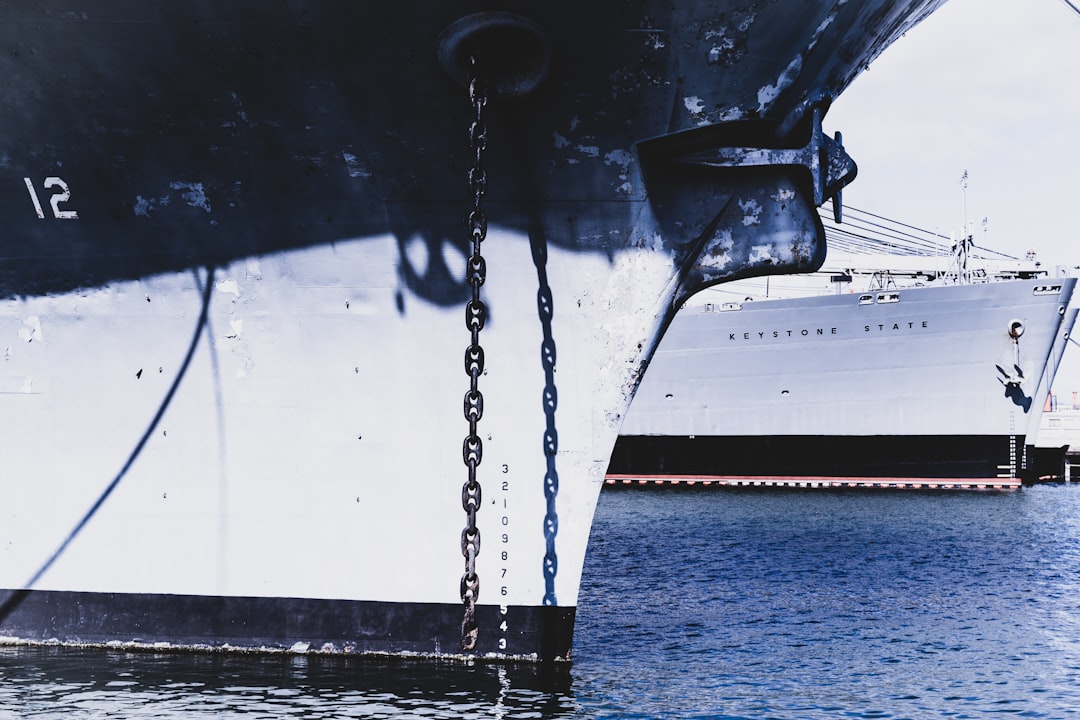
The maritime world thrives on precision, coordination, and unwavering commitment to safety, making ship management a vital discipline that keeps global trade flowing smoothly. Ship management encompasses the comprehensive oversight of a vessel’s operations, from crew welfare to technical maintenance and regulatory compliance. It bridges the gap between shipowners and the day-to-day realities at sea, ensuring vessels remain profitable, safe, and environmentally responsible. In an industry where vessels often operate far from shore for extended periods, effective ship management demands a blend of technical expertise, leadership, and foresight.
Professionals in ship management handle multifaceted challenges, balancing commercial goals with operational excellence. Whether managing a fleet of container ships crossing oceans or tankers navigating busy routes, the principles of ship management remain consistent: prioritize safety, optimize performance, and adapt to evolving regulations. This field appeals to shipping professionals seeking operational roles, maritime students building foundational knowledge, and industry enthusiasts fascinated by the intricacies of life at sea. As global shipping demands grow, understanding ship management becomes essential for appreciating how vessels contribute to the world economy while upholding high standards.
Understanding the Scope of Ship Management
Ship management involves a wide array of activities designed to maintain a vessel’s seaworthiness and efficiency throughout its lifecycle.
Technical Management
Technical management forms the backbone of ship management, focusing on the vessel’s physical condition and machinery. This includes planning and executing maintenance schedules, overseeing repairs, and ensuring all systems function optimally. Dry docking periods, where ships are taken out of water for thorough inspections and upgrades, fall under this category.
In ship management, technical teams monitor engine performance, hull integrity, and navigation equipment, often using digital tools to predict potential issues before they arise. Proactive approaches prevent costly breakdowns and extend the vessel’s operational life.
Crew Management
Crew management is central to successful ship management, involving recruitment, training, and welfare of seafarers. Managers ensure crews hold necessary certifications and receive ongoing training to handle emergencies and routine tasks.
Onboard morale and well-being directly impact performance, so ship management includes arranging rotations, medical support, and communication with families. Diverse international crews require cultural sensitivity and clear communication protocols.
Commercial and Operational Management
Commercial aspects of ship management cover chartering, freight negotiations, and voyage planning to maximize revenue while minimizing costs. Operational management coordinates port calls, bunkering, and cargo handling for timely deliveries.
In ship management, optimizing routes for fuel efficiency and weather avoidance plays a key role in profitability and environmental responsibility.
Key Roles and Responsibilities in Ship Management
Various professionals collaborate to deliver comprehensive ship management.
The Ship Manager’s Role
The ship manager oversees all functions, acting as the primary liaison between owners and the vessel. Responsibilities include budgeting, risk assessment, and performance reporting. Experienced ship managers anticipate challenges and implement strategies for smooth operations.
Onboard Leadership: Master and Officers
The master, or captain, holds ultimate responsibility at sea, making decisions on navigation, safety, and crew discipline. Chief engineers manage technical systems, while deck and engine officers support daily tasks.
Effective ship management relies on strong onboard leadership that fosters teamwork and adherence to procedures.
Shore-Based Support Teams
Shore teams provide expertise in areas like insurance, legal compliance, and procurement. Superintendents conduct vessel inspections, while crewing departments handle personnel logistics.
This integrated approach ensures seamless ship management across distances.
Best Practices for Effective Ship Management
Adopting proven practices elevates ship management to excellence.
Safety and Compliance First
Prioritizing safety through regular drills, risk assessments, and compliance with international conventions remains paramount. The International Safety Management Code guides systematic approaches to hazard prevention.
In ship management, a strong safety culture encourages reporting near-misses and continuous improvement.
Embracing Technology and Sustainability
Digital platforms for monitoring and reporting streamline ship management processes. Performance tracking tools optimize fuel use and reduce emissions.
Sustainable practices, such as energy-efficient operations and waste management, align ship management with environmental goals.
Continuous Training and Communication
Ongoing education keeps crews updated on regulations and technologies. Open communication channels between shore and sea enhance responsiveness.
These practices build resilience in ship management.
Challenges in Modern Ship Management
The industry faces crew shortages, cybersecurity threats, and stricter environmental rules. Adaptable ship management strategies, including talent development and robust systems, address these effectively.
FAQs on Ship Management
What is the primary focus of ship management?
Ship management primarily focuses on ensuring safe, efficient, and compliant vessel operations while maximizing profitability.
Who is responsible for crew welfare in ship management?
Ship managers and onboard leaders share responsibility for crew recruitment, training, health, and overall well-being.
How does technical management contribute to ship longevity?
Through regular maintenance, inspections, and repairs, technical ship management prevents failures and extends vessel life.
What role does compliance play in ship management?
Compliance with international regulations is essential in ship management to avoid penalties and ensure safety.
Why is safety training important in ship management?
Regular training prepares crews for emergencies, reducing risks and fostering a proactive safety culture.
How can technology improve ship management?
Digital tools enable real-time monitoring, predictive maintenance, and optimized routing for better efficiency.
What are commercial responsibilities in ship management?
They include voyage planning, chartering, and cost control to support financial performance.
How does ship management address environmental concerns?
By implementing fuel-efficient practices and emission controls, aligning with global sustainability efforts.
What skills are vital for a ship manager?
Leadership, technical knowledge, communication, and problem-solving are key in effective ship management.
How do shore and sea teams collaborate in ship management?
Through constant communication and shared systems, ensuring coordinated decision-making.
Conclusion
The essentials of ship management lie in harmonious integration of roles, clear responsibilities, and commitment to best practices. From technical oversight to crew care and commercial strategy, this discipline ensures vessels operate reliably in a demanding environment. As the shipping industry evolves with new technologies and regulations, robust ship management remains the foundation for safe and successful maritime endeavors. Professionals who master these elements contribute immensely to an industry that connects the world.